Dancer’s Pose
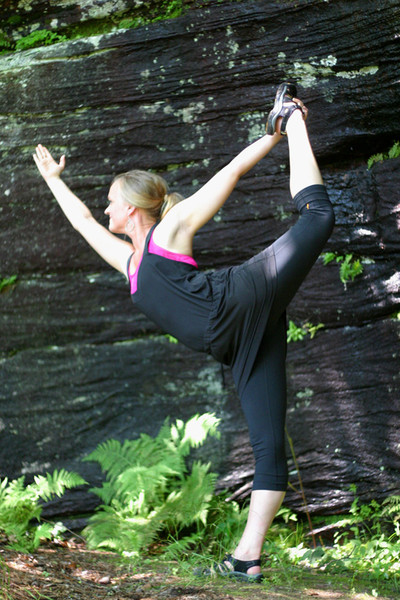
Yoga in foreground. Ancient sandstone in background.
Yoga in foreground. Ancient sandstone in background.
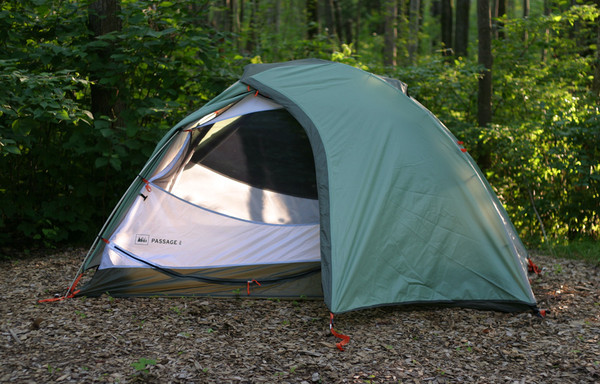
Mykala found this great REI tent, and this was our first trip out with it. Very cozy for 2 people. When we left for breakfast in the morning, we didn’t quite get the rainfly properly closed, and then it began raining. Things dried out easily in the low humidity and bright sun later in the day. We learned our rainfly lesson.
Anyhow, a very nice tent, and very waterproof when you close it up right.
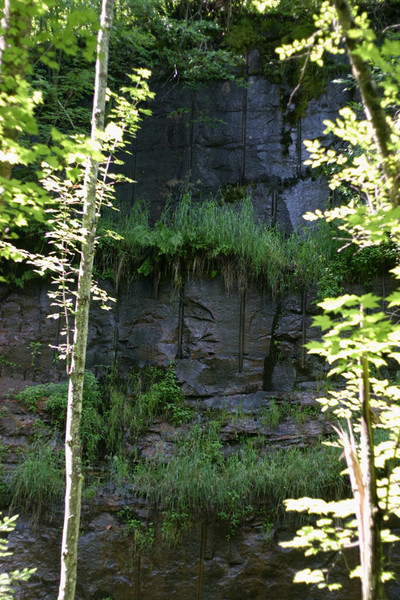
The rock faces at Banning State Park still bear the scars from the black powder blasting that workers did in the 1890s to harvest stone from the living rock. We went on a 1.8 mile (self) guided hiking tour to learn about the quarry. The town of Banning sprang up and then died with the quarry.
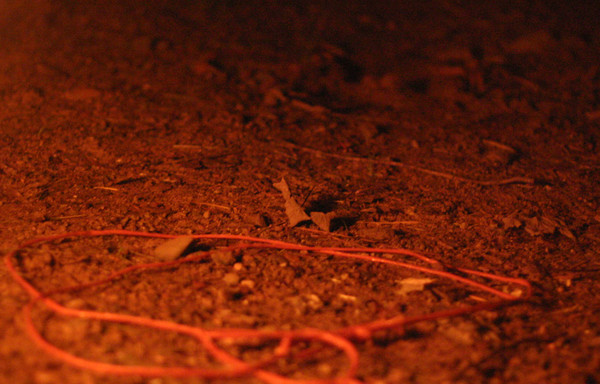
This leaf looked like a giraffe. The only thing more amazing than the leaf is that we were able to get a picture of it.

This log had a hole in it — makes for an amazing fire experience.
Zen at Home: Working Out in a Small Space; here’s a gem from the comments:
My company offers every employee a free Stair Master for personal use, 24/7. It’s double wide and you can do an “up” or “down” workout. The best part about it is that it serves the added function of access to all six floors in our building.
A very green solution: doesn’t use any power!
Home is a five minute bike ride from school. I’ve increased my efficiency in clinic, freeing up time after my morning appointment. These two facts mean I get to come home and see my wife for lunch. I love that a lot.
Though Mykala is away right now, I can sit here at home, on a warm summer afternoon, and enjoy the view onto our tree-lined patio.
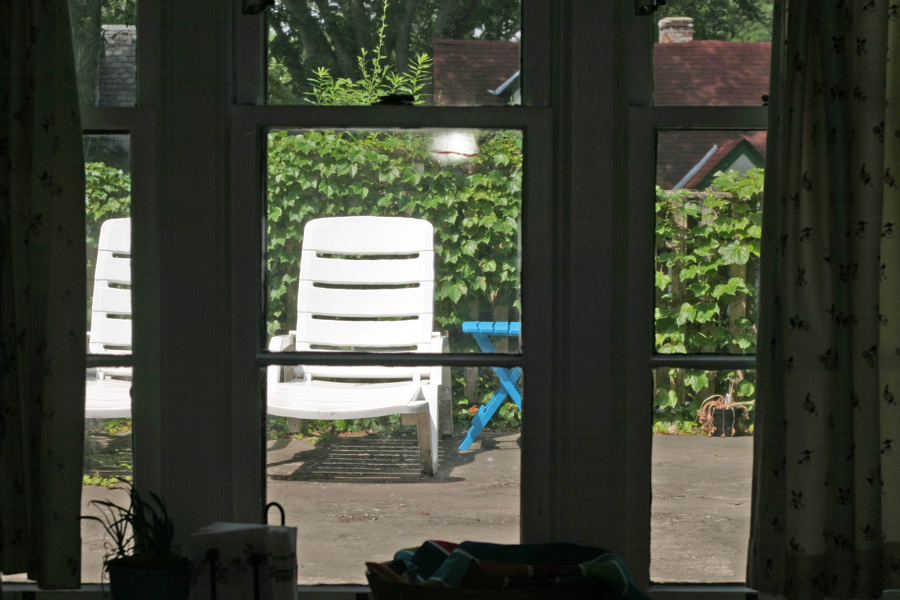
It’s really nice. Maybe I can find a job (or open my own practice) that lets me do something similar.
I work shoulder-to-shoulder with people whose future occupation Minnesota is calling “Dental Therapist” — essentially what a nurse practitioner is to a physician. Unlike nurse practitioners, however, Minnesota’s Dental Therapists do not enjoy nationwide support. I hadn’t realized how little support the entire occupation has until recently. Take a look at the American Dental Association’s Comment on American Association of Public Health Dentistry Dental Therapist Curriculum Development:
We will continue to work with the AAPHD and all interested stakeholders toward the goal we all share—a healthier more productive nation. But in doing so, the Association will not erode its unequivocal opposition to non-dentists performing surgical/irreversible procedures, or to other proposals that we believe run contrary to the public good.
It is rather odd to be in school alongside someone who is being trained in “unequivocal opposition” to the ADA’s recommendation. The legislature’s idea (which has been, in turn, parroted by the leaders of our school) is that these dental therapists will be expected to serve areas of “need” where it is difficult for patients to easily access dental care. However, since there is absolutely no geographical restriction present (or as far as we can tell, planned) in their licenses that compels them to practice in a certain area, then they are free to practice wherever they’d like.
Thing is: dental therapy students are in a LOT less debt than dental students are. Extrapolation of this concept inevitably produces frustration. We don’t know if the dental therapy program will produce enough graduates to put any sort of pressure on new dentists in the market… but us dental students don’t exactly appreciate the possibility. Something similar has happened before: the UMN dental school admitted something like 50% more students than now in its classes in the 1980s. This created an excess population of dentists that took years to absorb into the market. We seem to be trending toward too many dentists (this time, minting quasi-dentists with an evolving set of legally accepted responsibilities and abilities) once again.
How to Make a Clock Run for 10,000 Years | Wired.com quotes Jeff Bezos, the sponsor of this $40+ million dollar 10,000 year clock project:
“My opinion is that human attention spans haven’t changed much over time. We’ve always been a fairly short-sighted species,” Bezos says, and laughs. “But while our attention spans are staying roughly constant, our problems are becoming much bigger, because of our past successes as a species. Our tools, our technologies, now require us to step it up, and have a longer attention span.”
The things that have to be taken into account: the tendency of people to destroy things, geological stability, material science, engineering, speak to me very deeply. I love the idea of thinking about something, solving the problems around, making a manmade object last for an extremely long period of time.
Exciting things happening today, mainly involving redoing stuff that we didn’t get to do on their actual holiday dates:
Mykala is currently altering an ugly Christmas sweater for use during a summer Christmas party.
↓ More