Sprouts and Dr. Toonie
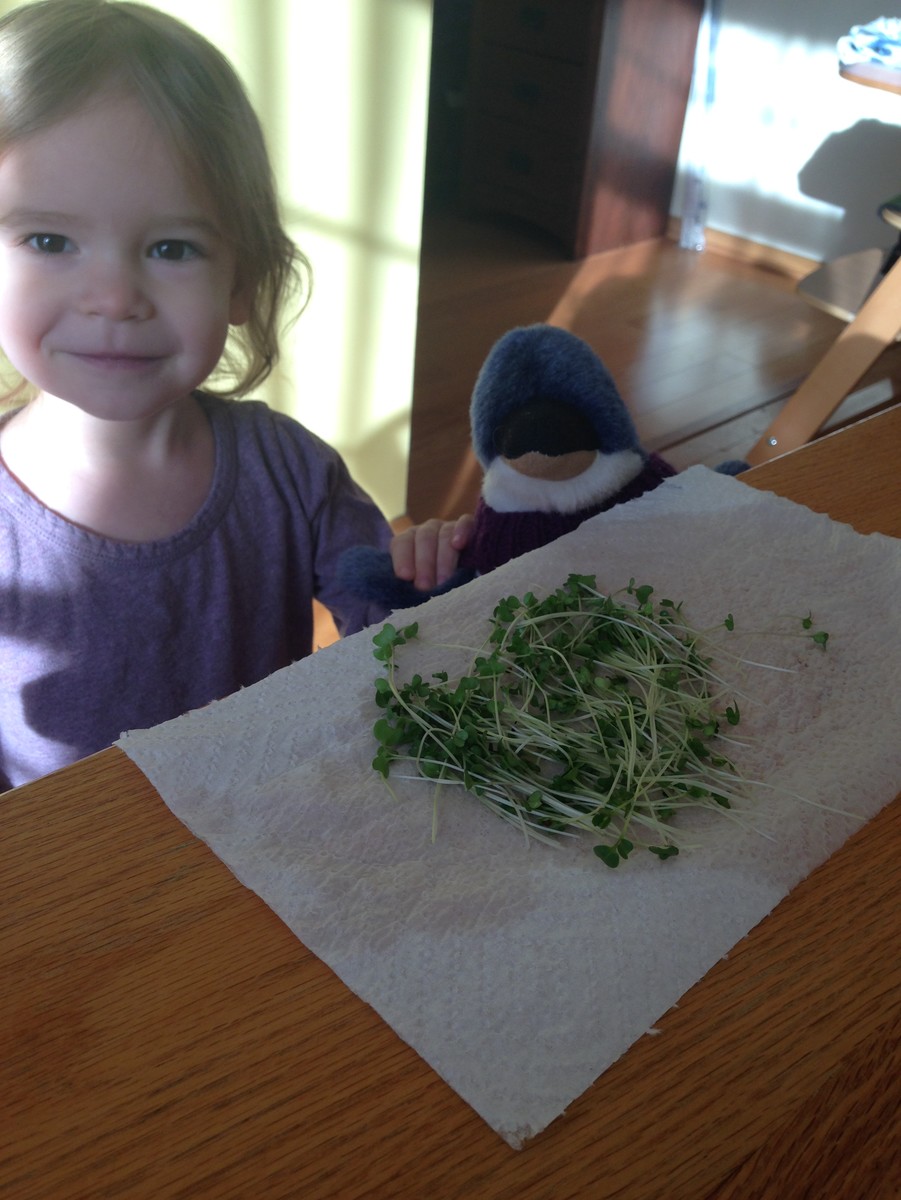
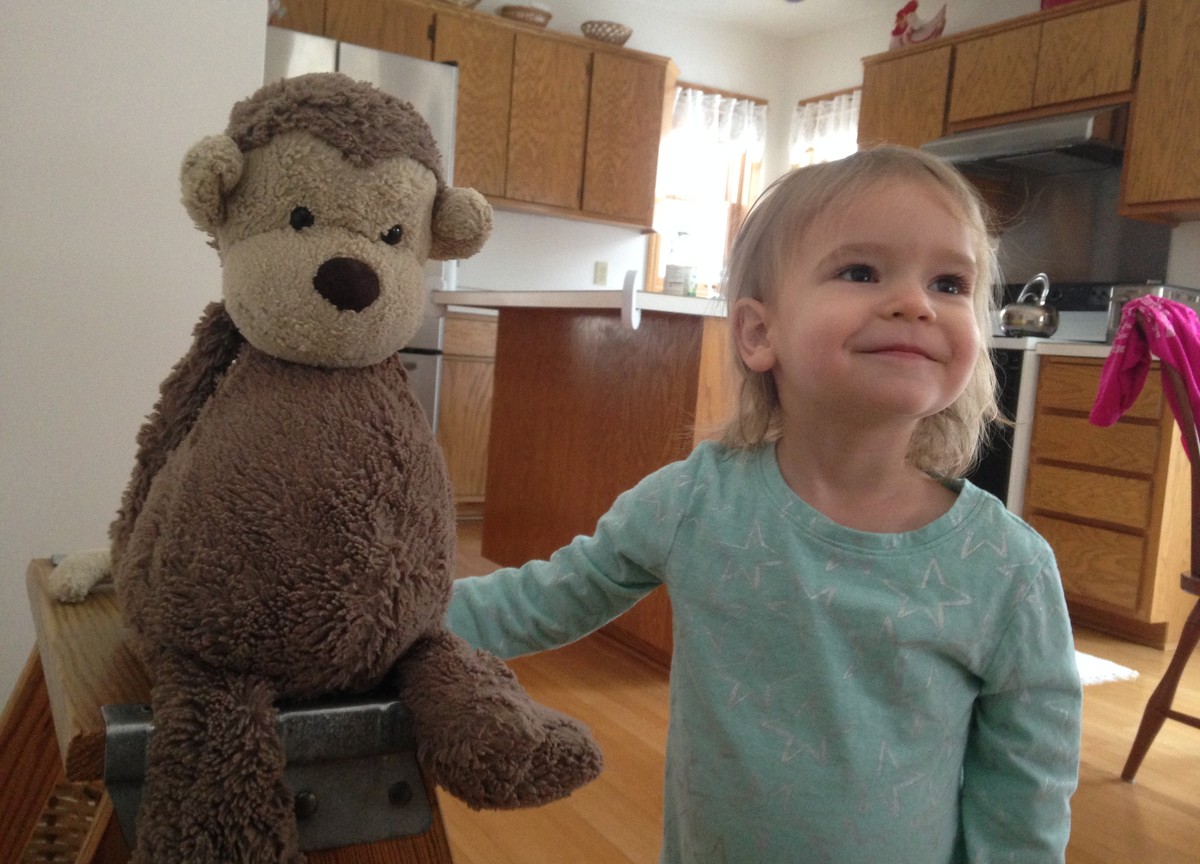
Mykala has been growing amazing broccoli and bean sprouts. Ess LOVES them and eats them like she’s a little rabbit. Notice how Ess is holding Doctor Toonie’s wing.
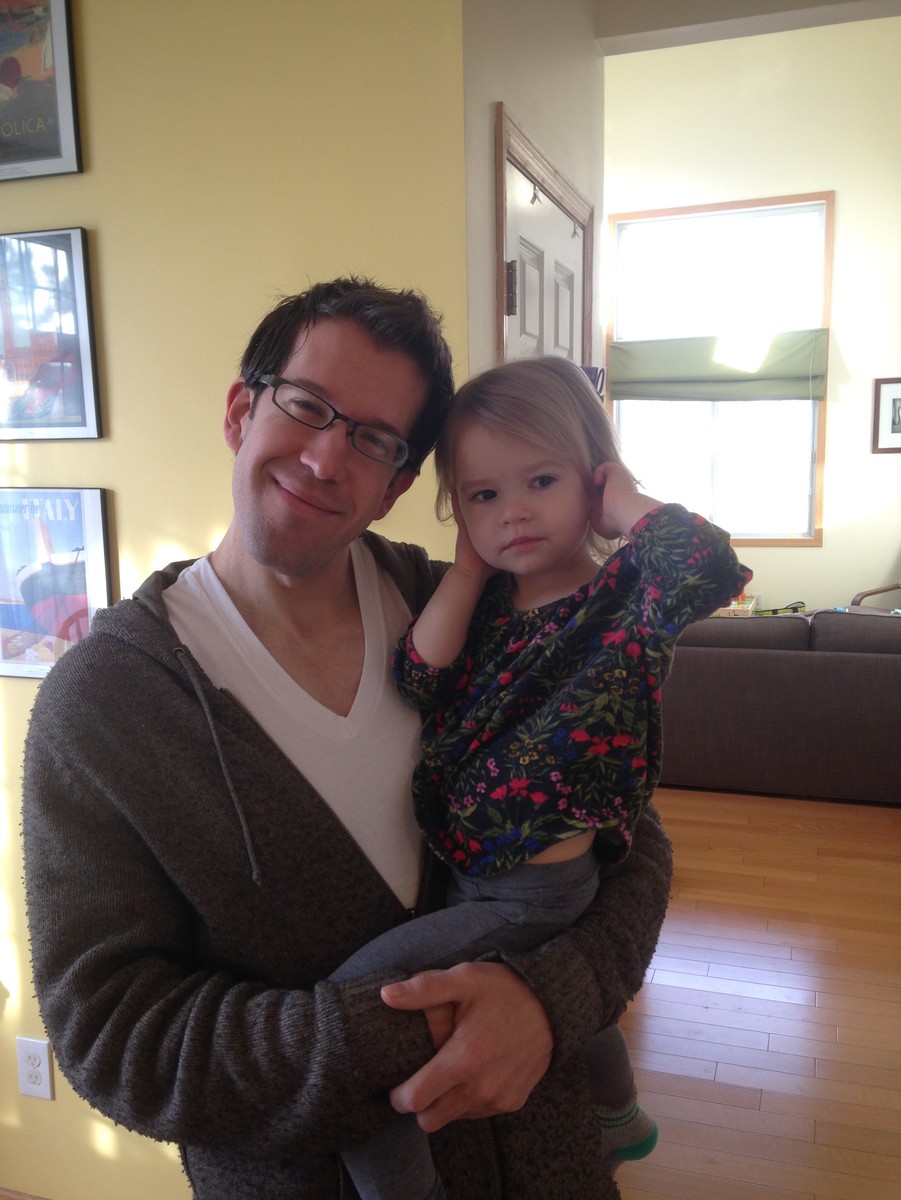
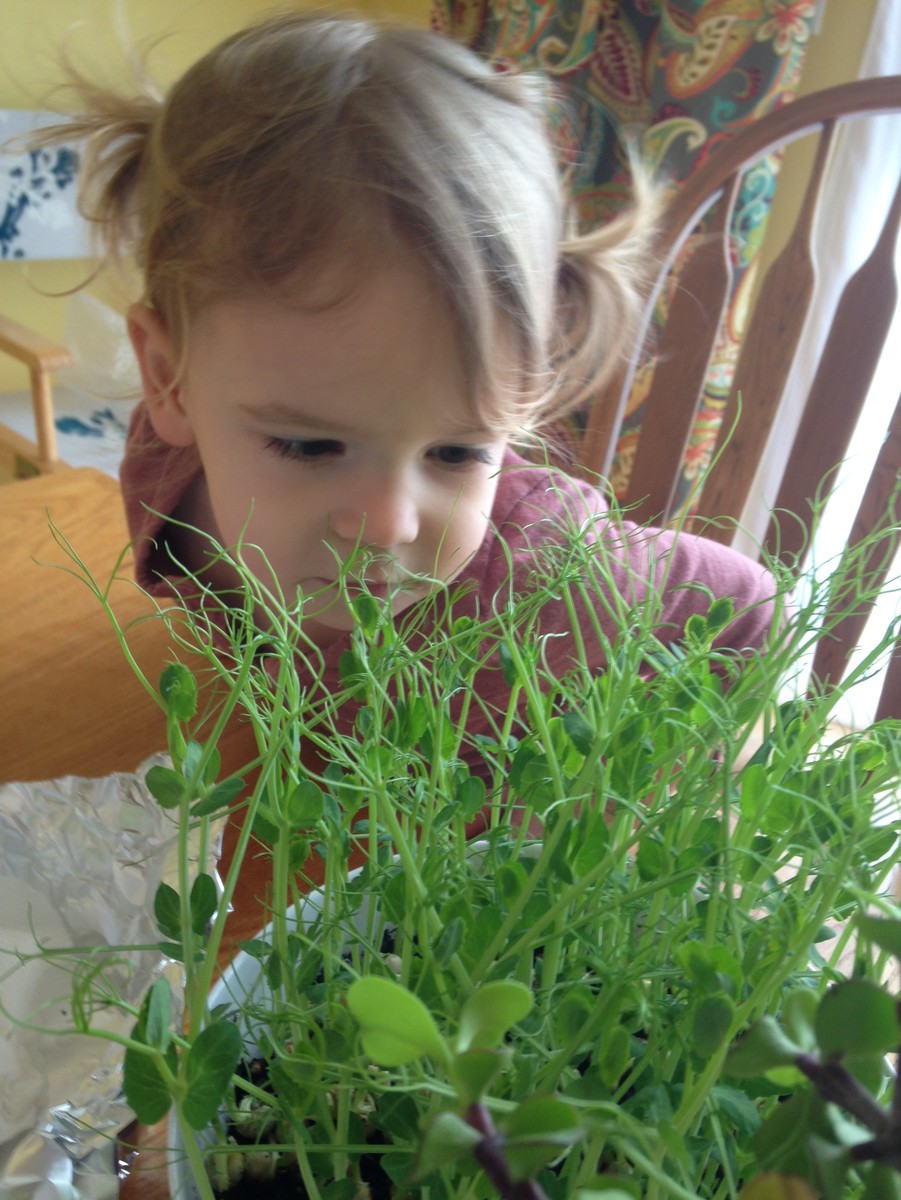
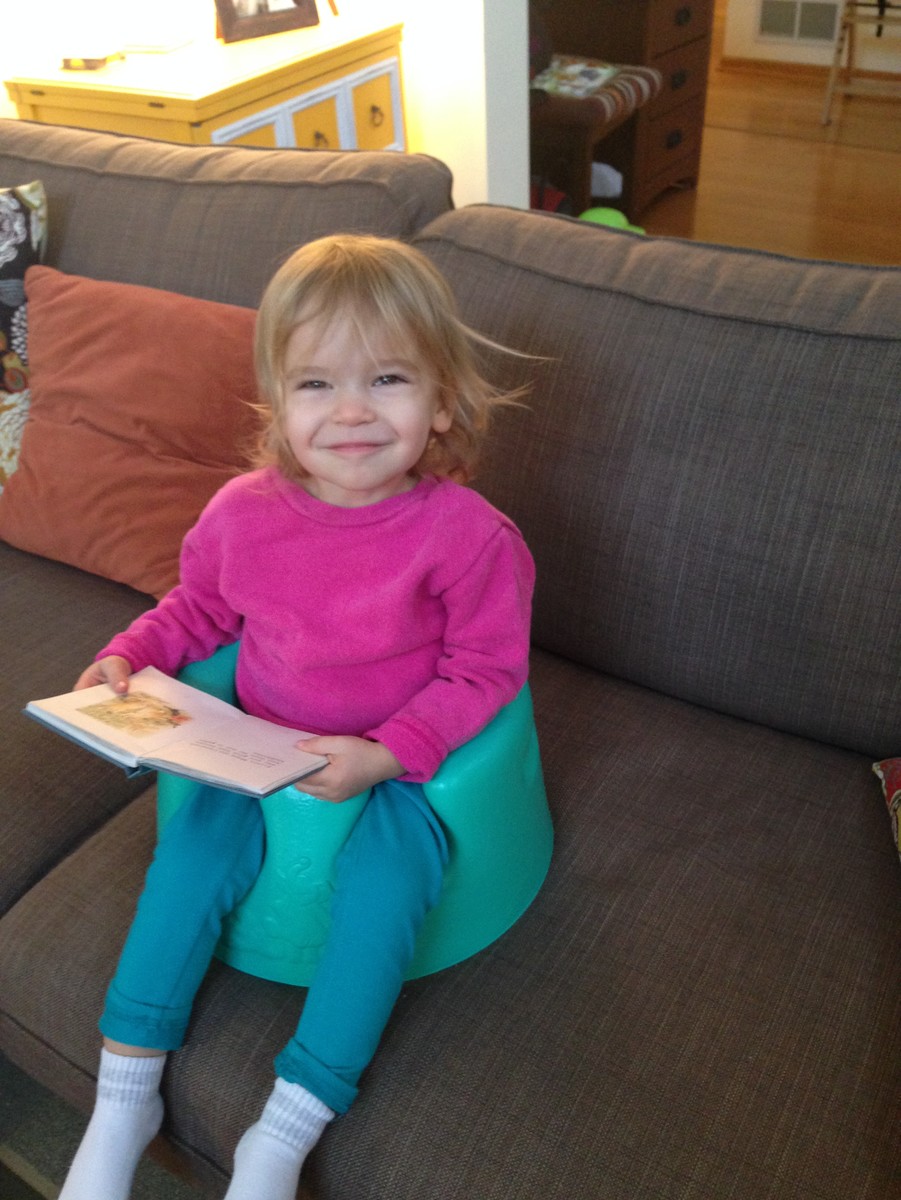
Mykala saw Ess’s head poking up above the back of the couch and immediately ran in to investigate.
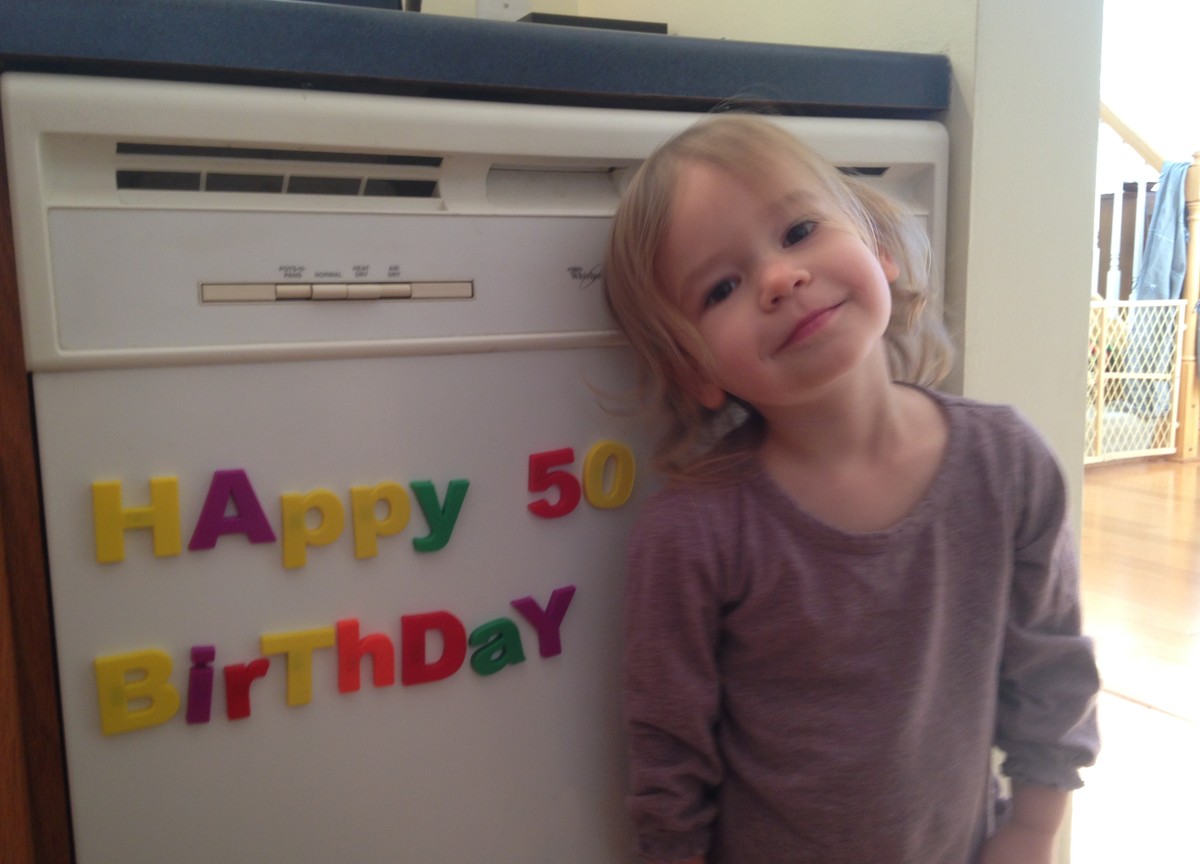
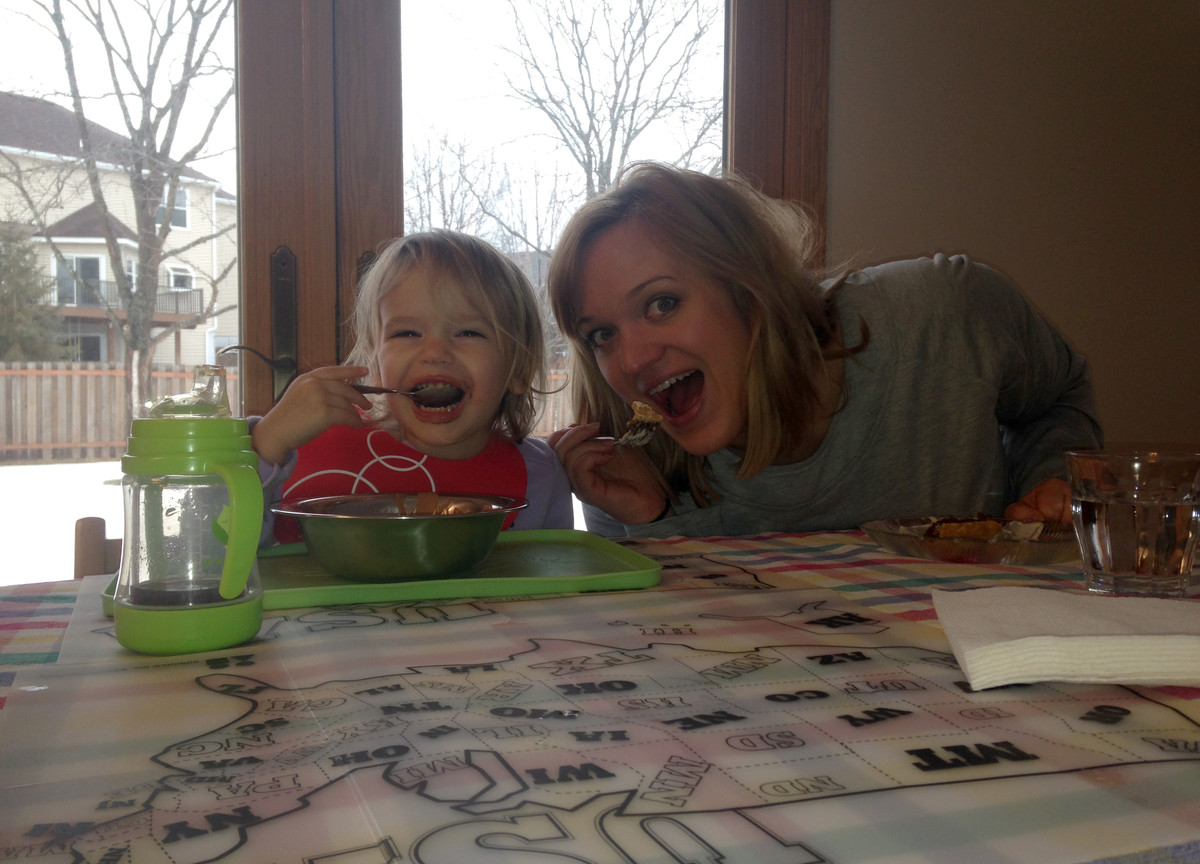
Eating salted caramel coconut ice cream for Mykala’s birthday.
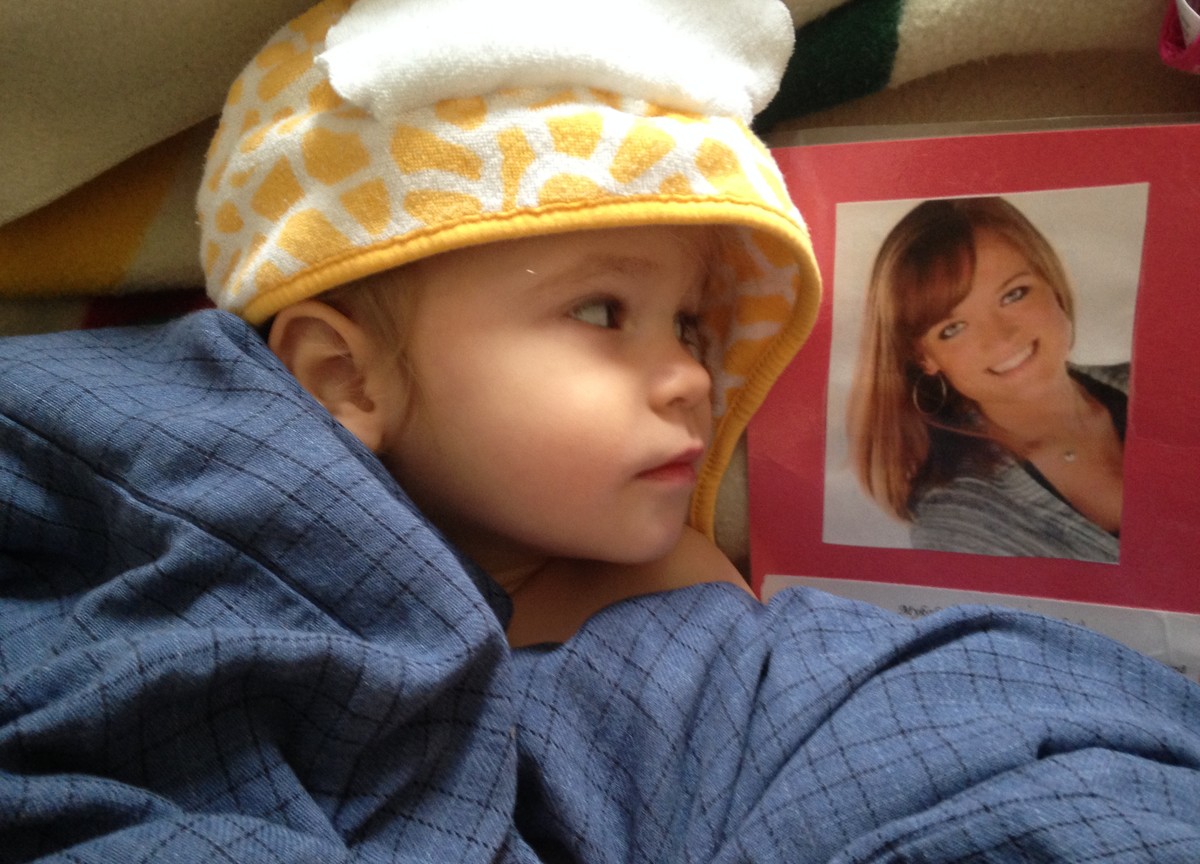
This one requires a little explanation. Mykala was out and I was home with Ess, and she needed a bath. But Ess insisted that this picture of Mama (made for a musical Mykala choreographed; we don’t just laminate pictures of ourselves around here) follow her around for her bath. So, the picture watched over Ess while she was in the tub, and came along while she got dried off and warmed up.

The Future of Not Working is about a few things, among them the test of universal basic income as viable social policy. It touches on the continuing and seismic shift in labor from humans to machine automation. But what it really helped me understand was how to help those in poverty:
One estimate, generated by Laurence Chandy and Brina Seidel of the Brookings Institution, recently calculated that the global poverty gap — meaning how much it would take to get everyone above the poverty line — was just $66 billion. That is roughly what Americans spend on lottery tickets every year, and it is about half of what the world spends on foreign aid.
People at the bottommost rungs of the socioeconomic ladder know exactly, like surgically-precisely what they need and the best way to get that to them is simple: cash.
Eisenhower’s “Chance for Peace” speech:
Every gun that is made, every warship launched, every rocket fired signifies, in the final sense, a theft from those who hunger and are not fed, those who are cold and are not clothed.
This world in arms is not spending money alone. It is spending the sweat of its laborers, the genius of its scientists, the hopes of its children. The cost of one modern heavy bomber is this: a modern brick school in more than 30 cities. It is two electric power plants, each serving a town of 60,000 population. It is two fine, fully equipped hospitals. It is some fifty miles of concrete pavement. We pay for a single fighter with a half-million bushels of wheat. We pay for a single destroyer with new homes that could have housed more than 8,000 people. . . . This is not a way of life at all, in any true sense. Under the cloud of threatening war, it is humanity hanging from a cross of iron.
From the Paris Review’s famous interview of E. B. White, 1969:
Some writers for children deliberately avoid using words they think a child doesn’t know. This emasculates the prose and, I suspect, bores the reader. Children are game for anything. I throw them hard words, and they backhand them over the net. They love words that give them a hard time, provided they are in a context that absorbs their attention. I’m lucky again: my own vocabulary is small, compared to most writers, and I tend to use the short words. So it’s no problem for me to write for children. We have a lot in common.
↓ More