Amazing Fountain 1
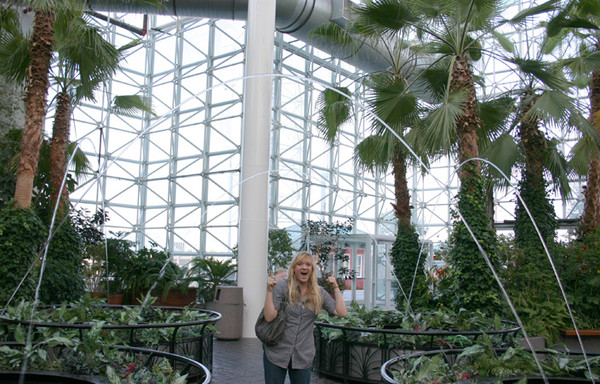
Fountains are amazing!
Fountains are amazing!
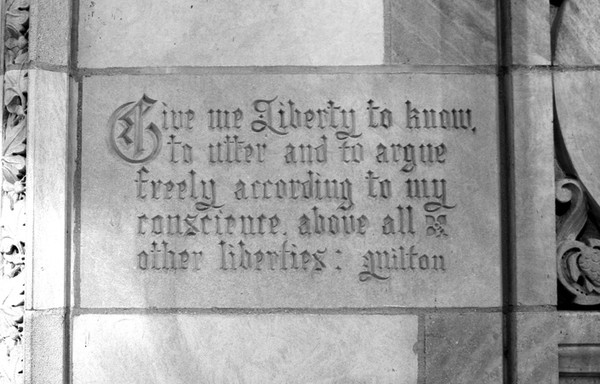
Quote on the side of the Chicago Tribune building.
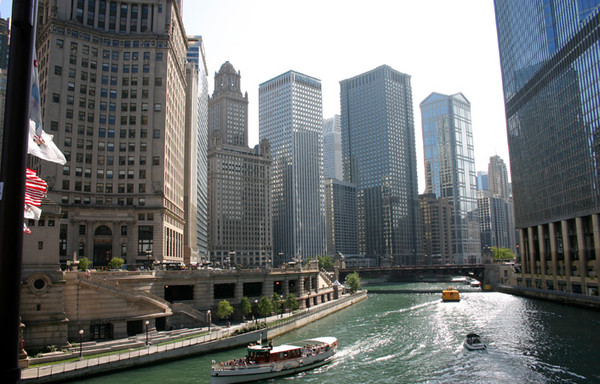
Tried to go on an architectural tour — but at $too much per person, we’ll wait until we return with more funds.
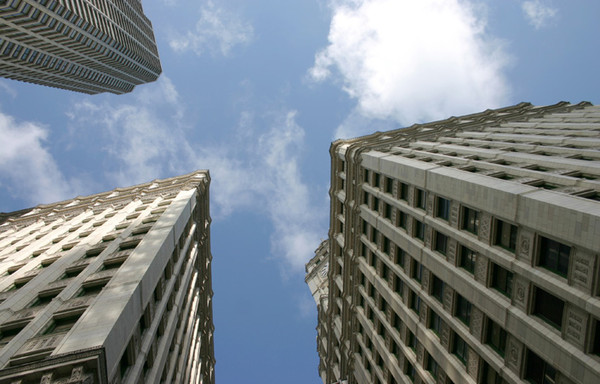
Skyscrapers from the ground look tall!
How to Choose a Watermelon - NYTimes.com. Sad that I need a newspaper for this information, but here we go:
Next time we need watermelon, we’re putting this to the test!
I rode the West River Parkway up from the St. Paul Lifetime via Ford Parkway and WOW what a path! Darn thing is practically level for a few miles and smoother than an ice rink that’s just been Zambonied. More grip than ice, though.
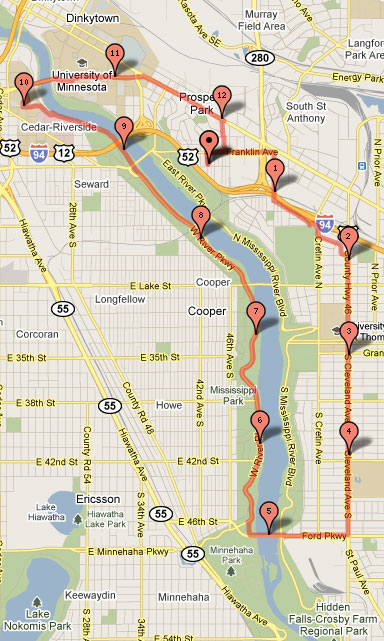
If you’re looking for a nice easy bike ride in Minneapolis, you’d be hard-pressed to find a better path than the West River Parkway. However, it isn’t all… flat. North of Franklin, it drops off toward the river in about the most giant hill you can find. So, there’s that.
Carl Sagan: Wanderers (Carl Sagan Tribute Series, Part 3):
Every one of those worlds is lovely and instructive. But, so far as we know, every one of them: desolate and barren. Out there, there are no better places—so far, at least.
One of Sagan’s best is The Pale Blue Dot. I wish they showed that to everybody in school.
Someday, it is my dream to live on a sunny hilltop where I can see the stars at night. I think I’ll feel content. Right now, I can’t see the stars at night, but I still feel content. I guess it’s not about where you are, but who is there with you.
The Atlantic has a nice article titled The Great Stock Myth, which explains the consequences of the (likely) crappy stock market returns over the next 10 years. When the effects of these poor returns are compounded, the demands put on people to save money for retirement increase dramatically. Incidentally, there’s a nice fact about the Bush administration in here:
In the three years after the end of the tech boom, federal tax revenues plummeted from 20 percent of GDP to 16 percent. Many people blame the Bush tax cuts for the entire ensuing budget deficit, but in fact they accounted for less than half of the lost revenue. Most of the change from surplus to deficit came from other factors, most prominently from what the Congressional Budget Office calls “technical” and “economic” change: the government simply collected less revenue during the bust than analysts had anticipated. Wealthy people pay most of the income taxes in America. And their taxable incomes are extremely sensitive to the performance of the stock market—not surprising, considering how many wealthy people either work in finance, or receive compensation in the form of stock options.
Presidental terms are short compared to economic cycles, and I think people fail to realize this when they attribute economic status exclusively to actions taken by a single administration. Certainly, changes to economic policy can have immediate and seismic effects… but I don’t think this happens as often as people imagine.
Who knows, though — I’m just a student in not-economics or politics.
Holy crap-a-moly, this song is intense. Cosmic Love by Florence and the Machine. I think its from that popular movie series about werewolves or vampires or something… can’t say the pop-culture ties dilute its awesomeness.
This is musical-shiver level stuff.
This is the kind of music that, after you’ve run 20 miles and you’ve 6 more to go, searching for something, anything, to move your tired body forward, you turn on for the feel of pure epinephrine pumping out of the adrenal glands and hitting your lungs, muscles, eyes simultaneously.
How many songs-with-harp can you say that about?
↓ More